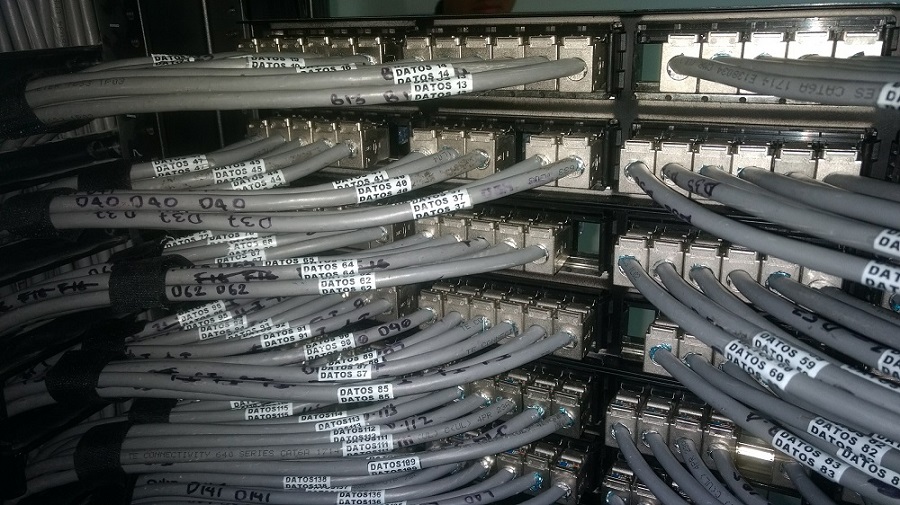
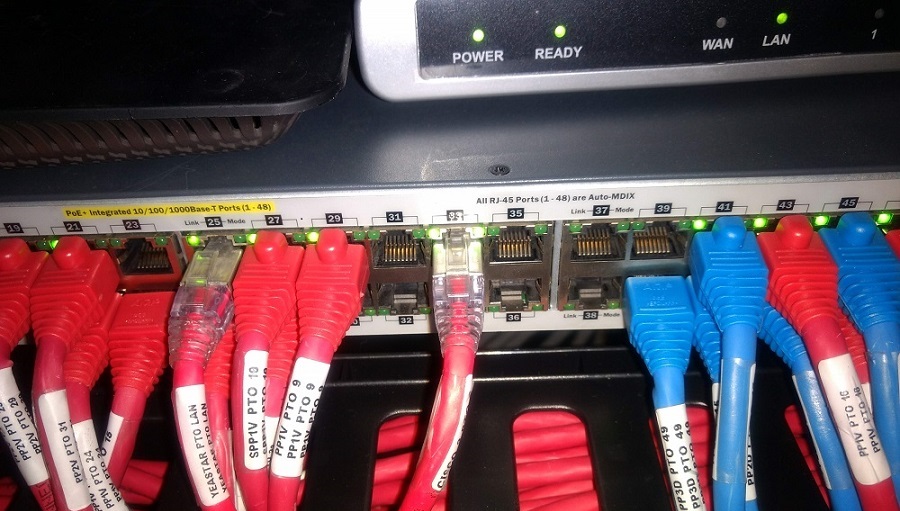
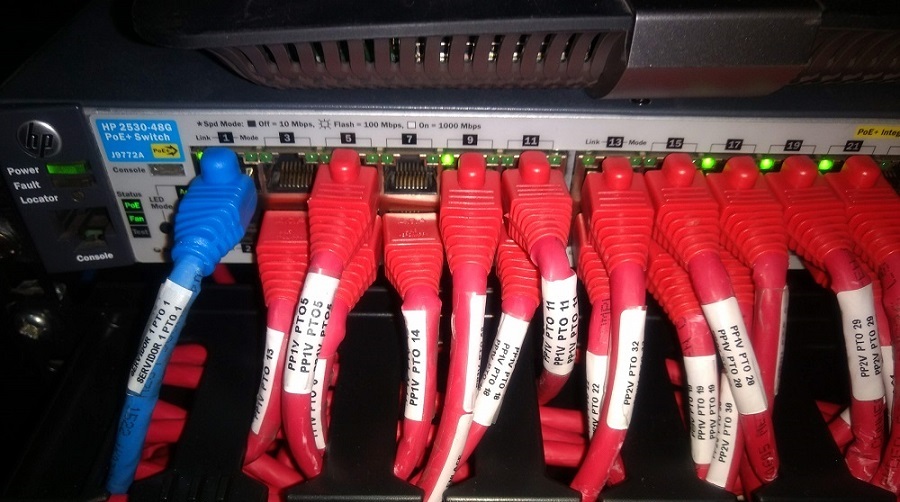
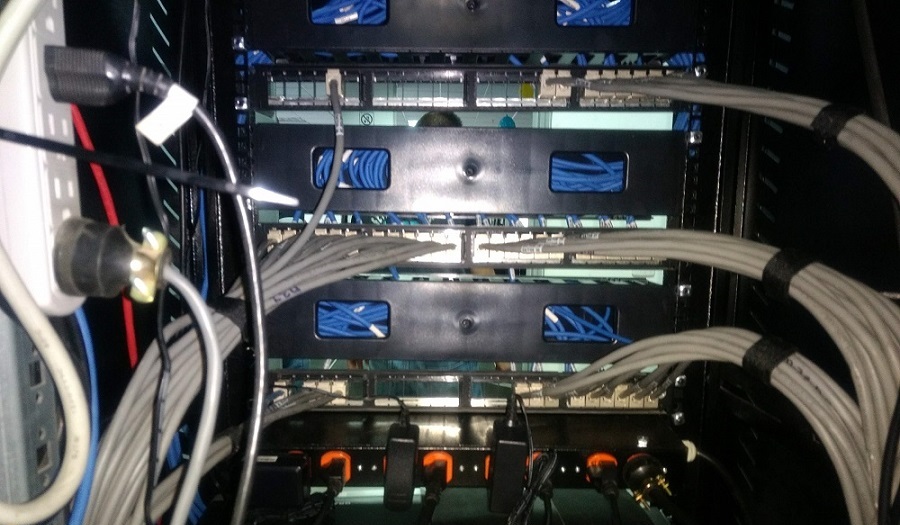
Structured cabling is defined as the set of cables, connectors, and devices that make up the internal telecommunications infrastructure of a building or facility. Its main function is to efficiently transport data, voice, and video signals, enabling communication and connection between different network devices, such as computers, telephones, and other electronic equipment. This system guarantees reliable, high-quality information transmission.
Furthermore, structured cabling facilitates the orderly and flexible expansion, maintenance, and management of the telecommunications network. Its modular and standardized design allows it to adapt to the changing needs of facilities, optimizing infrastructure performance and ensuring its scalability as the network grows.
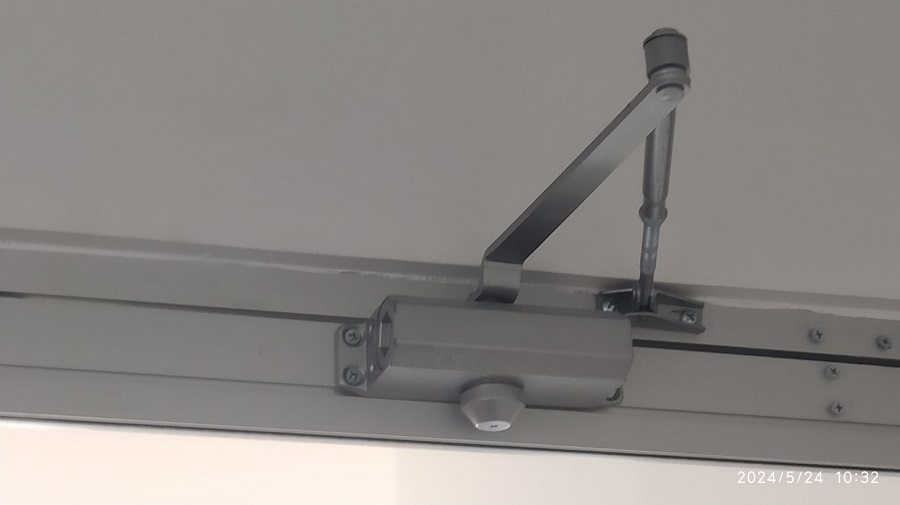
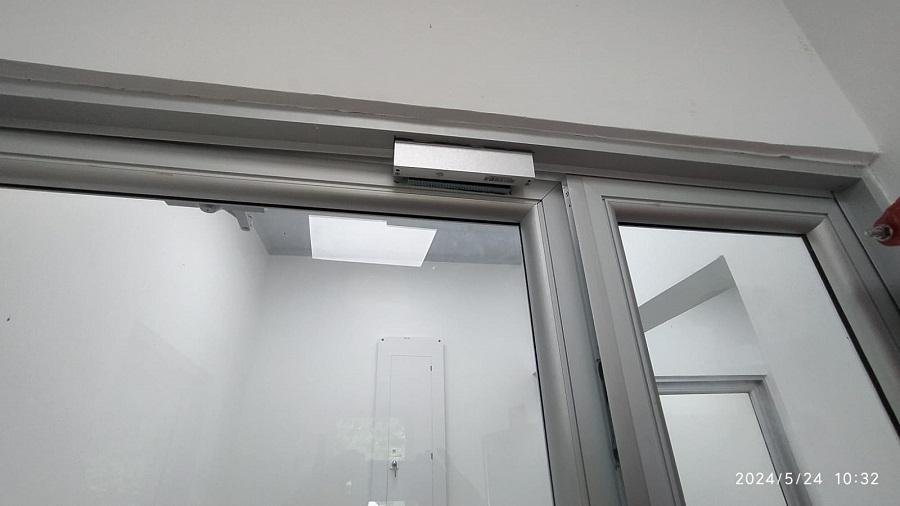
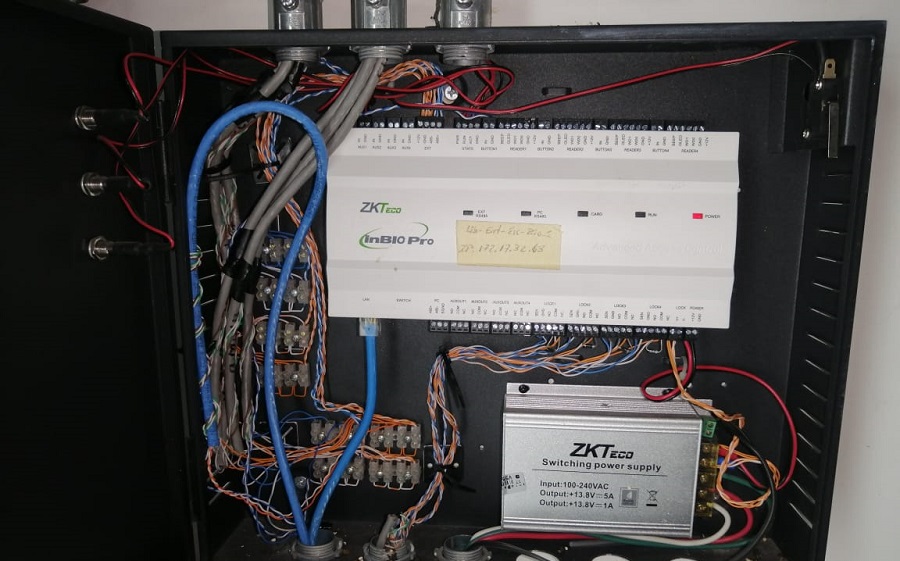
Biometric access control is an identification system that records unique human characteristics, such as fingerprints, iris, or facial recognition. Its main objective is to record and authorize entry and exit from a location, providing greater security.
This system is used in various environments, from corporate buildings to electronic devices, ensuring that only authorized individuals can enter. In addition to improving security, it also facilitates access management and user control, eliminating the need for passwords or access cards that can be
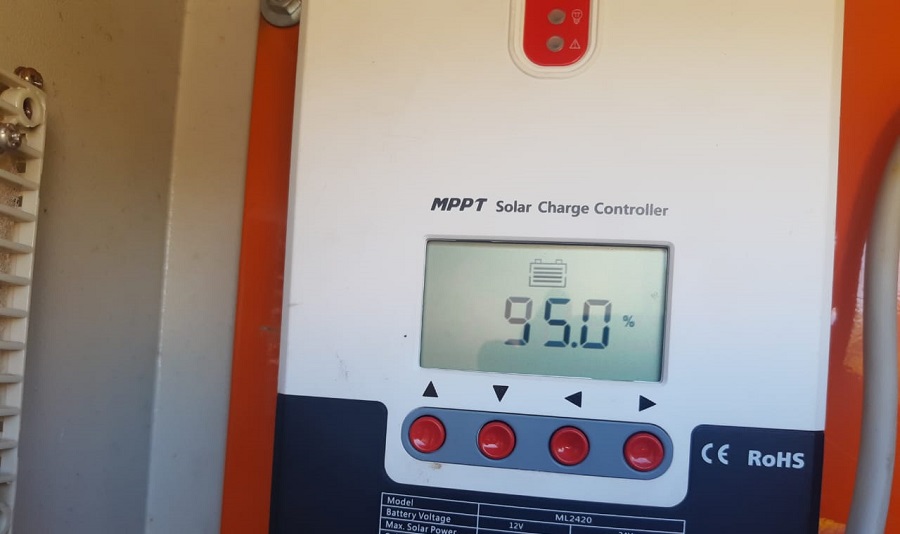
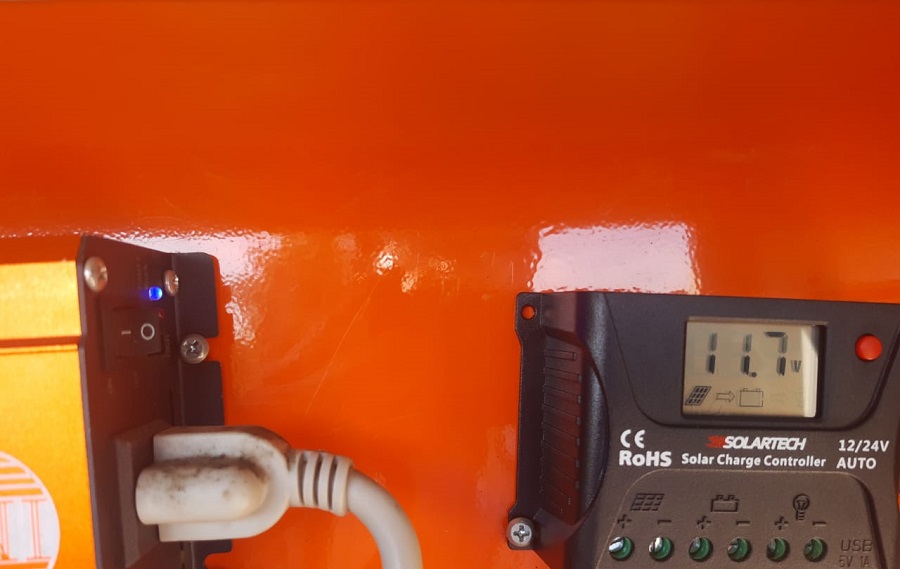
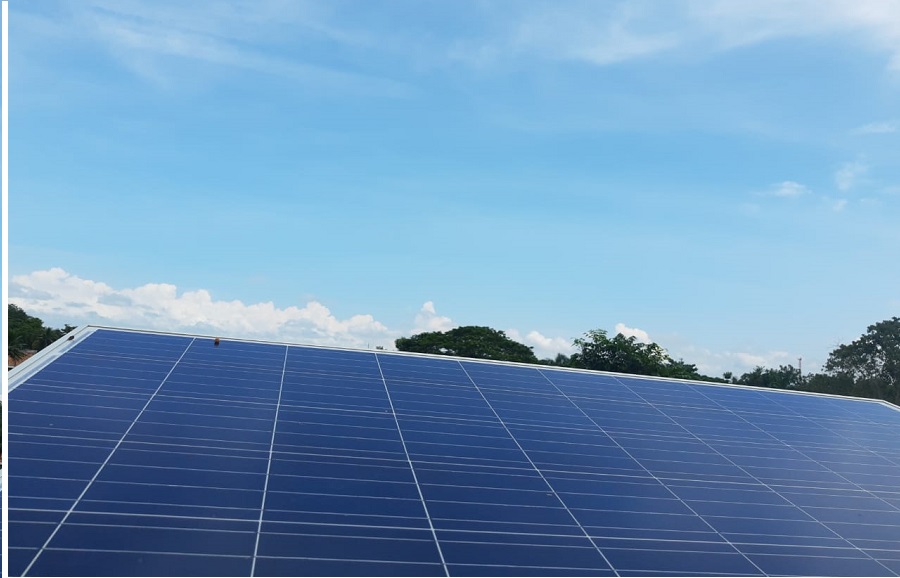
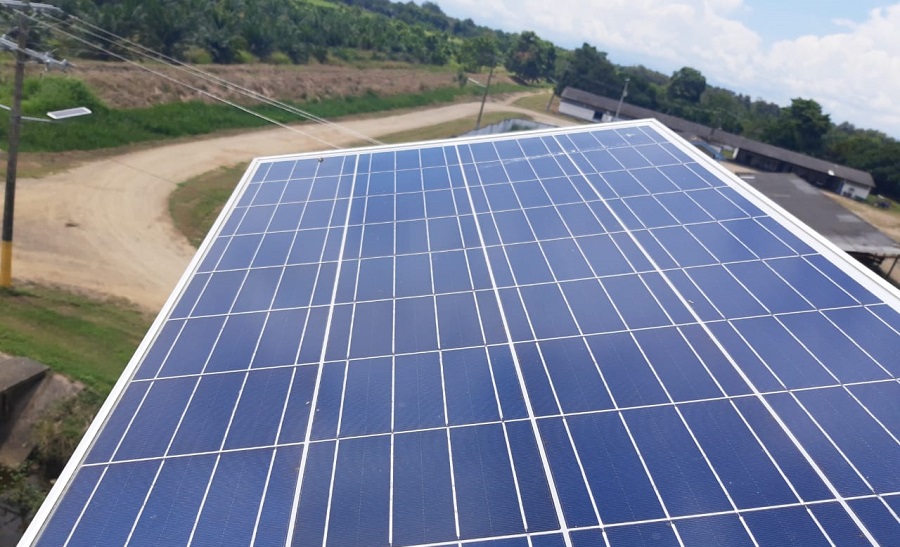
Alternative energies are those that come from sources other than petroleum, making them a more sustainable option for meeting energy needs. These energy sources seek to reduce dependence on fossil fuels.
Among alternative energies, renewable energies play a fundamental role, as they are inexhaustible and less polluting. These include solar, wind, hydroelectric, and other natural sources that, when properly harnessed, can provide clean and efficient energy solutions for the future.